Entry · Ref VKD16UKH
Building a daily supplement routine for healthy ageing
- Posted
- 2026-11-11
- Last amended
- 2026-11-11
- Account
- @nourishnotes
Why a daily supplement routine matters as you age
Getting older brings changes your body has to adapt to. Nutrient absorption can slow down, energy metabolism shifts, and your cells face more oxidative stress over time. A thoughtful daily supplement routine can help support your body through these transitions. But building that routine is not about grabbing a handful of bottles off the shelf. It requires some planning, a bit of knowledge about what your body actually needs, and a willingness to adjust as you go.
The idea is to fill nutritional gaps, not replace a balanced diet. Whole foods remain the foundation. Supplements are there to back you up when food alone cannot keep up with your body's changing demands. For many adults over fifty, that becomes a practical reality. Your digestion may not extract nutrients the way it used to. Certain medications can interfere with absorption. Your appetite might change. All of this makes a targeted supplement routine a helpful safety net. healthy ageing supplement
Step 1: Know what your body already gets
Before you add anything, take an honest look at your current diet. A simple food diary kept for a few days can reveal patterns. Are you getting enough protein at breakfast? Do you eat leafy greens most days? How about fatty fish or other sources of omega-3s? You might discover you are already well covered in some areas and lacking in others.
This step matters because piling on supplements you do not need can create imbalances. For example, taking extra zinc when you already get plenty from food can interfere with copper absorption. Knowing your starting point helps you choose supplements that genuinely add value rather than just filling your cabinet.
Step 2: Prioritise the basics first
Most healthy ageing plans start with a few foundational nutrients. A good multivitamin can cover the broad spectrum, but do not assume one pill covers everything. Check the label for amounts that match your needs. Look for a formula that includes B vitamins for energy metabolism, vitamin D for bone health and immune function, and minerals like magnesium and zinc that become harder to absorb with age.
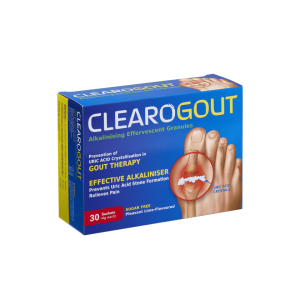
Calcium and vitamin D often get special attention for bone health, and for good reason. Bone density naturally declines over time. Without enough calcium and vitamin D, that decline can accelerate. Many older adults do not get enough from diet alone, especially if they avoid dairy or spend limited time outdoors. A separate calcium and vitamin D supplement may be worth adding, but check with your healthcare provider first, especially if you have a history of kidney stones.
Step 3: Understand the role of a daily antioxidant supplement
Oxidative stress is one of the main drivers of ageing at the cellular level. Every day, your cells produce free radicals as byproducts of normal metabolism. Without enough antioxidants to neutralise them, those free radicals can damage cells, proteins, and even DNA. A daily antioxidant supplement can help your body keep that damage in check.
Antioxidants come in many forms. Vitamin C and vitamin E are the most familiar, but there are also carotenoids like beta-carotene and lutein, plus flavonoids from plant sources. A good antioxidant formula often combines several of these. The idea is that they work together, each one targeting different types of free radicals. Some products include coenzyme Q10, which supports energy production inside cells and also acts as an antioxidant. Others add selenium or zinc, minerals that help your body's own antioxidant enzymes function properly.
What to watch here: more is not always better. Very high doses of isolated antioxidants, especially vitamin E or beta-carotene, have been linked to negative effects in some studies. Stick to a formula that provides amounts close to what you would get from a varied diet. And remember, a daily antioxidant supplement is a complement to a diet rich in colourful fruits and vegetables, not a substitute for eating them.
Step 4: Add targeted support for your personal needs
Once the basics are covered, you can fine-tune your routine. This is where your specific health concerns come in. If joint stiffness bothers you, look into a healthy ageing supplement that includes glucosamine, chondroitin, or turmeric. If you worry about eye health, lutein and zeaxanthin are well supported for protecting the macula. For heart health, consider omega-3 fatty acids from fish oil or algae oil, along with coenzyme Q10.
Blood sugar management is another area where targeted supplements can help. As metabolism changes with age, some people find their glucose regulation becomes less efficient. Chromium, berberine, and magnesium are common ingredients in supplements aimed at supporting healthy blood sugar levels. Again, check with a doctor before adding these, especially if you take medication for diabetes or other conditions.

Immune function also deserves attention. Zinc, vitamin C, and vitamin D all play roles in keeping your immune system responsive. Some older adults benefit from a specific immune support formula, particularly during winter months when sun exposure drops and colds circulate more.
What to watch: avoid overlap. If your multivitamin already contains 100 percent of the RDA for zinc, do not add a separate zinc supplement unless you have a clear reason. Too much zinc can cause nausea and interfere with copper absorption. The same logic applies to vitamin A, selenium, and iron. More is not better and can be harmful.
Step 5: Check for medication interactions
This step is easy to overlook but extremely important. Many common medications interact with supplements. Blood thinners like warfarin can be affected by vitamin K, and by high doses of vitamin E or fish oil. Thyroid medications need to be taken separately from calcium and iron supplements because those minerals interfere with absorption. Diuretics can change how your body handles potassium and magnesium.
Make a list of every prescription and over-the-counter medication you take regularly. Then go through your supplement plan and check for any known interactions. Your pharmacist is a great resource here. They can spot problems you might miss. Do not assume a supplement is safe just because it is natural. Natural does not always mean harmless when combined with other substances.
Step 6: Build a simple daily habit
Consistency matters more than perfection. A supplement routine only works if you actually take it. That means making it easy to remember. Pair it with something you already do every day, like brushing your teeth or making morning coffee. Some people find it helpful to use a weekly pill organiser. Others set a phone reminder. Whatever method works, use it.
Pay attention to how you feel. If a supplement upsets your stomach, try taking it with food or switching to a different form. Some nutrients absorb better at certain times of day. Calcium and magnesium can be relaxing and may work well in the evening. B vitamins tend to be energising and are better taken in the morning. Notice your body's signals and adjust accordingly.
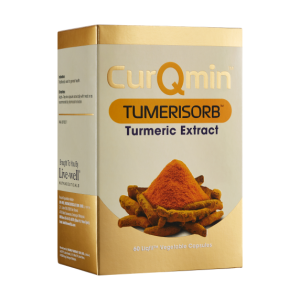
Also, review your routine at least once a year. Your needs change over time. A supplement that made sense at sixty may not be right at seventy. New health conditions, new medications, and changes in your diet all call for revisiting your plan. A healthy ageing supplement routine is not a set-it-and-forget-it thing. It evolves with you.
Putting it all together
A daily antioxidant supplement can be a valuable part of your healthy ageing routine, but it is just one piece of a bigger picture. Start with the basics: a good multivitamin, calcium and vitamin D if needed, and a solid antioxidant formula. Then layer in targeted support for your specific concerns, whether that is joints, heart, eyes, or blood sugar. Always check for medication interactions. And build a habit that fits your life so you stick with it.
The goal is not to take as many supplements as possible. The goal is to support your body in ways your diet alone cannot. When done thoughtfully, a supplement routine helps you feel more energetic, more resilient, and better equipped to enjoy the years ahead.